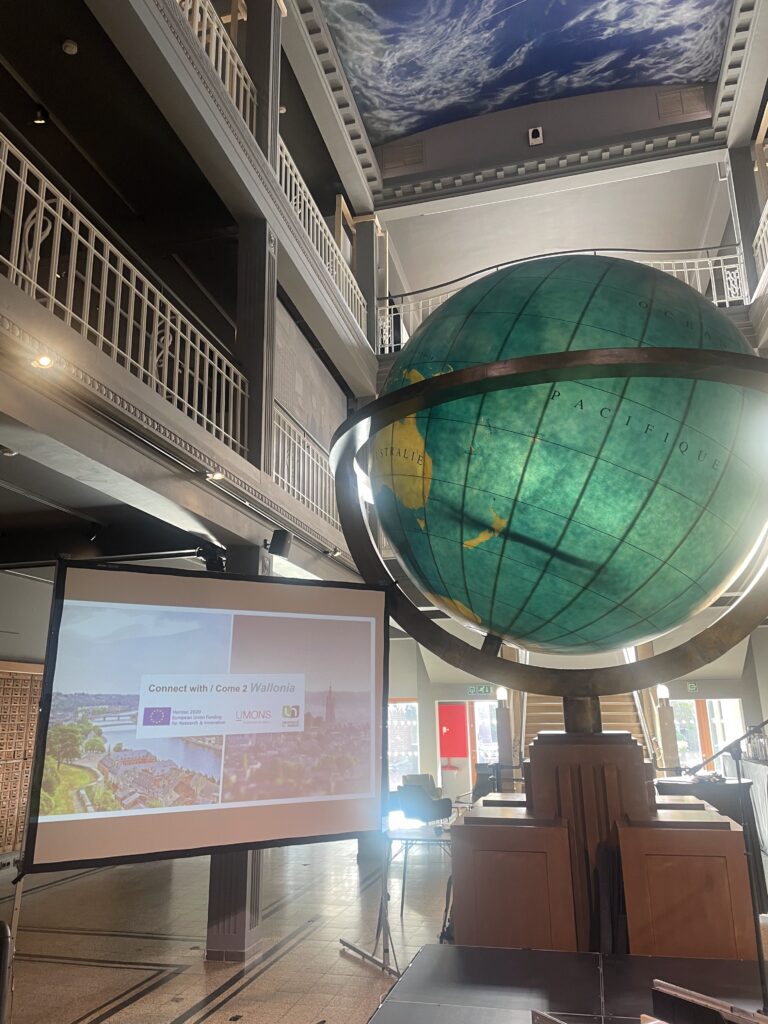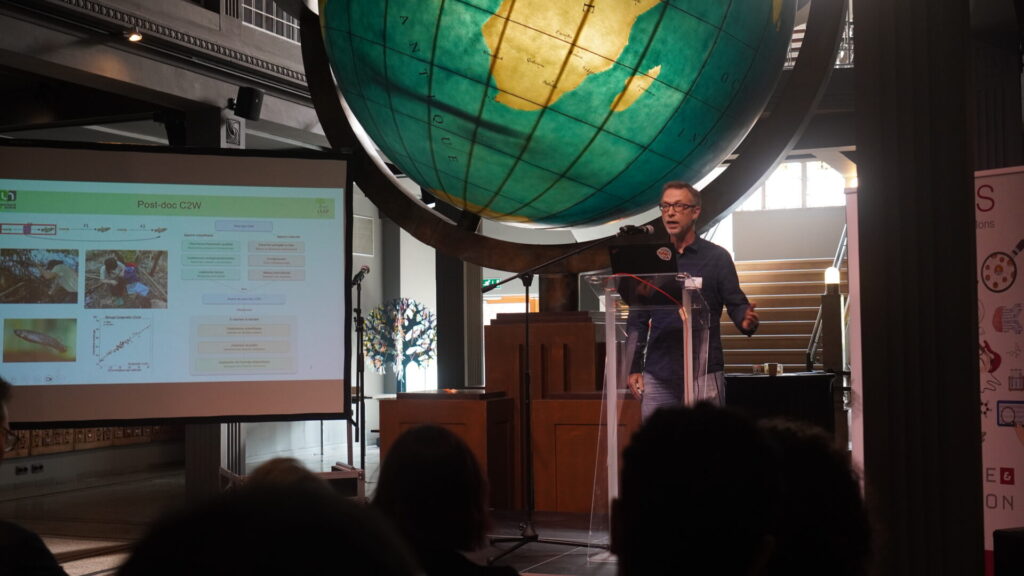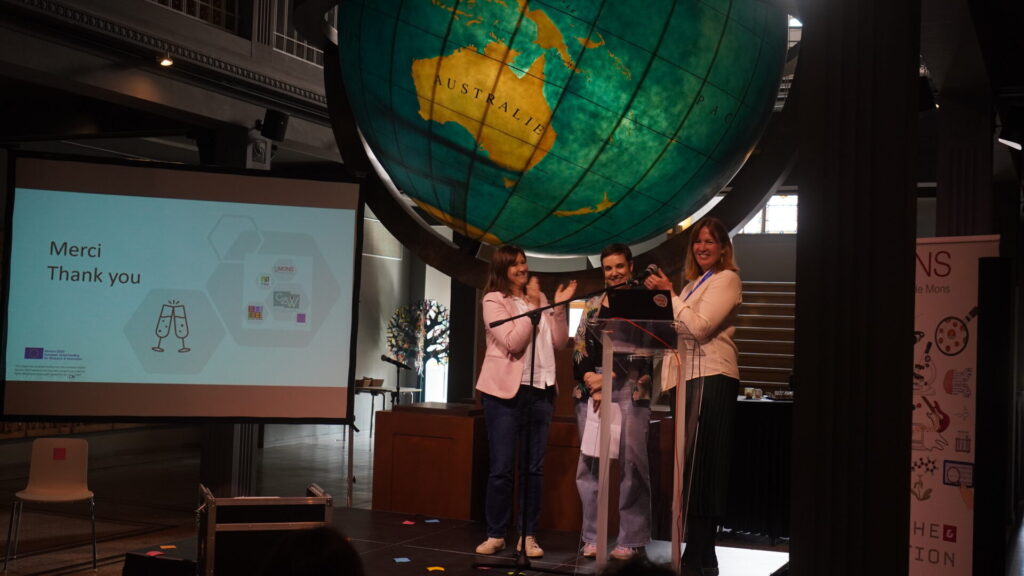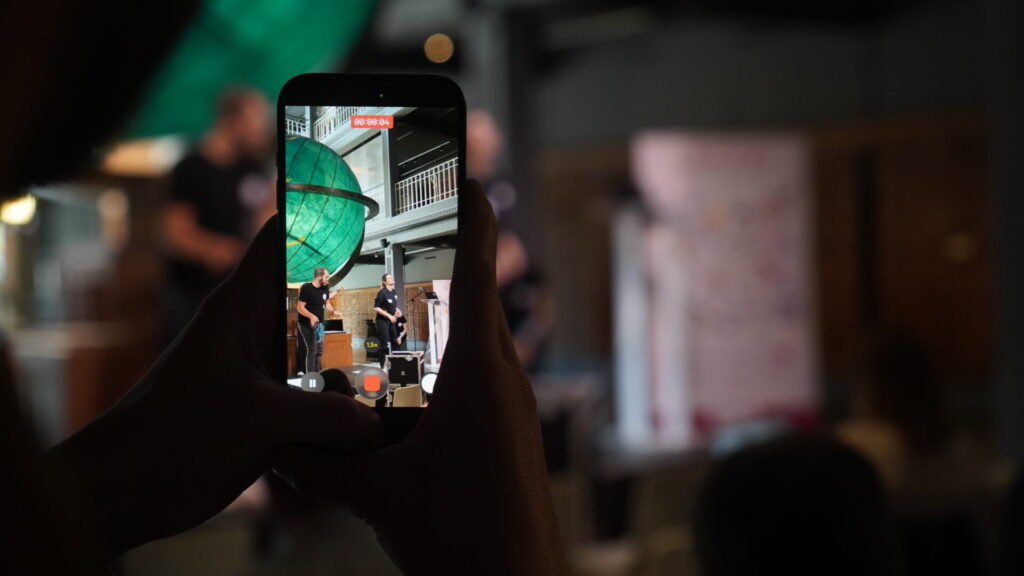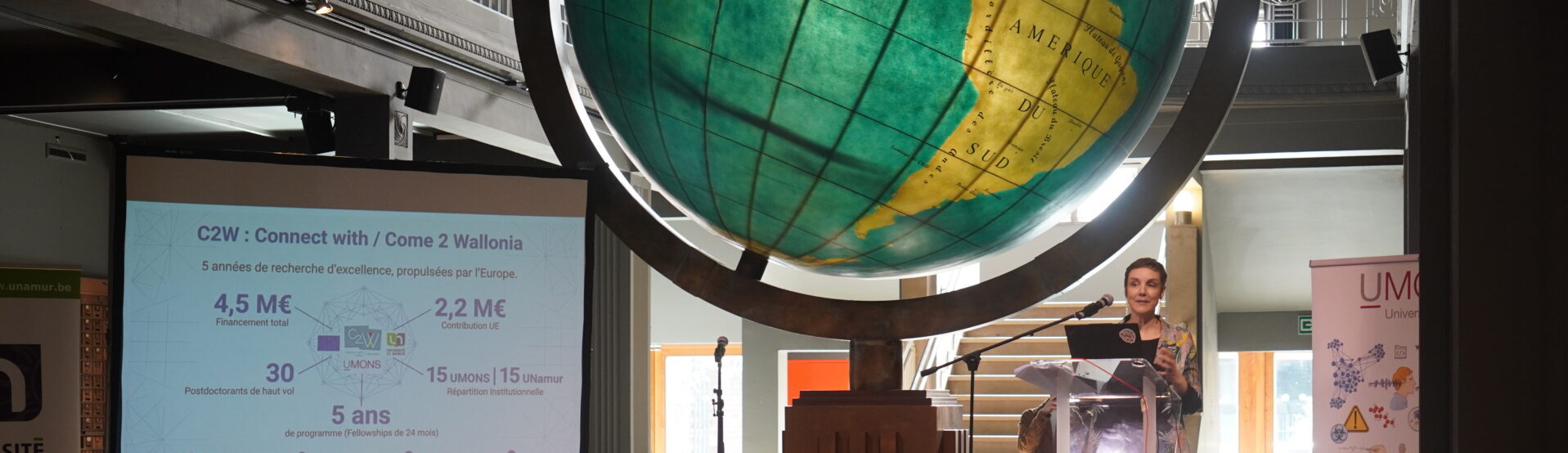
On April 15, in the iconic hall of the Mundaneum, UMONS and UNamur hosted a special event to mark the upcoming conclusion of the European cometowallonia (C2W) research programme. The morning offered an opportunity to reflect on five years of scientific exploration, international collaboration, and career development.
Launched with the ambition of attracting and supporting international research talent, C2W has, over the years, grown into much more than a mobility programme. With 30 researchers from diverse backgrounds, more than 50 peer-reviewed scientific publications, and the development of a patent, its impact is tangible — but numbers alone do not capture its full significance.
What truly emerged from the discussions was the way research practices evolved throughout the programme. Methods were refined, interdisciplinary tools were developed, and collaborative dynamics took shape organically. Some research projects were born from informal conversations, while others matured progressively through structured partnerships. All benefited from a framework that allowed ideas to be tested, strengthened, and shared.
The event also stood out for its original format. The interventions of the improvisation theatre troupe Le Kraken introduced moments of surprise and creativity, offering participants a different perspective on communication and collaboration. These performances provided a welcome pause, enriching the exchanges while fully preserving the scientific depth of the discussions.
Beyond academic achievements, conversations naturally extended to societal impact, innovation, and knowledge transfer. Researchers, institutional partners, and external stakeholders engaged in open dialogue, reflecting the strong support provided by the UMONS Innovation Network in fostering connections between research and broader ecosystems.
As the C2W programme approaches its final chapter, this event highlighted what remains most valuable: lasting collaborations, strengthened research trajectories, and an international community that continues well beyond the programme itself.
UMONS and UNamur warmly thank all researchers, speakers, partners, and participants who contributed to this inspiring morning and to five years of shared scientific adventure.